hassan bensliman | stock.adobe.com
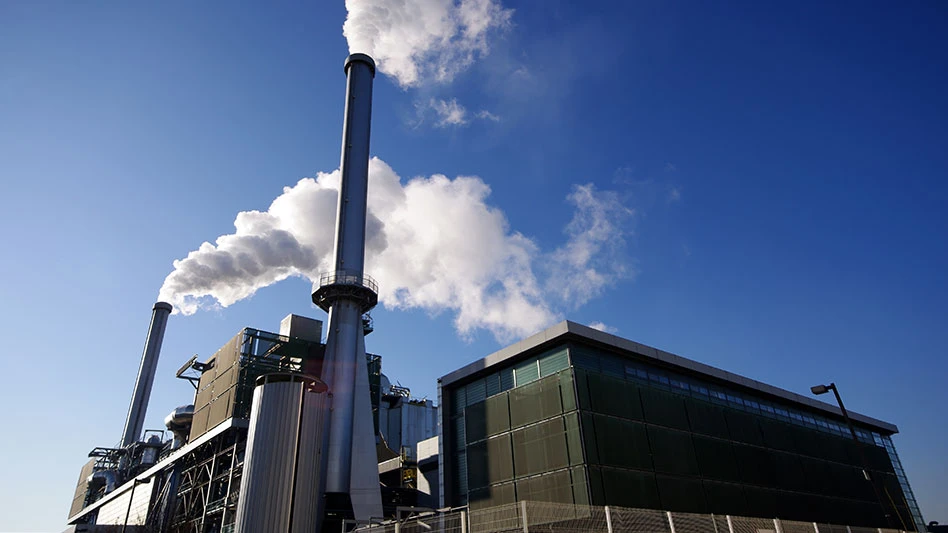
Market intelligence firm SkyQuest estimates that the global waste-to-energy (WTE) market will reach a value of $73.83 billion by 2031, with a CAGR of 7.5 percent from 2024 to 2031.
Rising energy requirements from the end-use sector combined with favorable regulatory policies supporting effective waste management and power production are predicted to be the biggest drivers of market growth in the next few years.
As conventional energy resources are depleted, governments are shifting their priorities toward commercializing alternative energy sources, including WTE technologies, SkyQuest says. Moreover, the industry is undergoing growth spurts due to the introduction of environmental regulations related to the reduction of carbon emissions through the use of fossil fuels.
The thermal category has the highest share of sales. Incineration has seen a huge rise in overall market revenues and is largely responsible for this domination, especially given that thermal conversion methods are typically simple and easy to apply.
RELATED: Managing feedstock
Agricultural waste accounts for the greatest market share in the WTE market because huge gasification and pyrolysis processes often are used. Global agricultural output is predicted to increase in the market because of increased crop residues, manure and silt waste. This could be further complemented with agricultural byproducts containing pesticides and herbicides to enhance this potential as a reliable feedstock in the WTE landscape, according to SkyQuest.
Due to rising economic activities and subsequent waste generation, Asia Pacific has become the largest market leader. Furthermore, numerous governments are encouraging the construction of WTE plants, and thus, Asia-Pacific is expected to capture the largest share during the forecast period.
For instance, SkyQuest says, Japan has been one of the leading countries in the Asia-Pacific market along with others. Japan’s success in converting waste to energy is driven by its highly efficient solid waste management system. Additionally, strong financial support from both national and local governments fuels projects ranging from small to large scale. Also, the nation aims at putting up the latest technologies to recycle all types of waste or garbage to turn them properly into resources while protecting the environment.
To read the full report, click here.
Latest from Waste Today
- Recycle Coach partners with Bartec Municipal Technologies
- CPUC conditionally approves RNG procurement contract for Anaergia’s SoCal Biomethane facility
- EPA proposes abandoned tire cleanup plan with focus on energy recovery
- Global Recycling Foundation recognizes Recycling Heroes
- Equipment finance index takes dip in March
- Oregon DEQ issues enforcement order, $3M civil penalty to Valley Landfills
- Sierra International Machinery adds to sales team
- Vernon County, Wisconsin, landfill expansion remains stalled amid DNR delays