Daria Nipot | stock.adobe.com
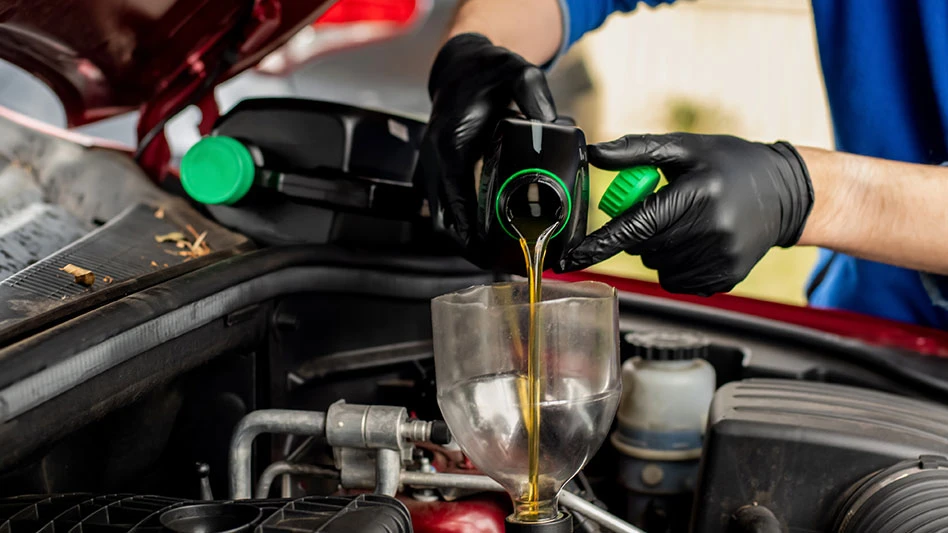
Despite increasing adoption of electric vehicles (EVs), the majority of British Columbians still rely on gas-powered or partly gas-powered transportation. Even plug-in hybrid electric models (PHEVs), which saw a 52.8 percent increase in new registrations from 2023 to 2024, require oil changes and regular maintenance. This means that oil remains essential in keeping BC’s transportation network running smoothly as it exists today.
From the 1950s-1970s, people didn’t think twice about how they disposed of used motor oil. It was common to discard used oil and other hazardous materials in backyards, down drains or in landfills. Now, we know better.
Many British Columbians might not realize it but used motor oil is the perfect recyclable product. Whether it’s coming from a PHEV or a full gas-powered vehicle, if the oil is collected and returned properly, it can be rerefined again and again, which reduces our reliance on virgin resources. Plus, the process to recycle used oil takes 85 percent less energy than refining new oil.
Today, around 50 million liters (13.21 million gallons) of oil are collected and recycled every single year through the Interchange Recycling program. In 2023, we recycled 49.8 million liters of used oil, preventing pollution, reducing reliance on virgin resources and strengthening local supply chains. These efforts show how extended producer responsibility (EPR) programs, which make producers responsible for the lifecycle of their products, can create real environmental and economic benefits.
However, the transition away from virgin resources starts with informed choices. For British Columbians who get their oil changed at a shop—you’re already part of the recycling solution. Your used oil is being collected by a professional and then being processed responsibly before making its way back into our economy as rerefined oil. For DIYers, it’s just as easy for you—you can drop off your used oil at one of the many recycling centers across BC.
DIYers purchasing motor oil can take it a step further by asking about rerefined options before making your purchase. With performance that meets or exceeds industry standards, these products help us close the loop on resource consumption while maintaining top-tier quality.
Rerefined motor oil and antifreeze can be recycled indefinitely, providing high-quality products that perform just as well as lubricants made from virgin crude. By prioritizing rerefined products, British Columbians can help cut emissions, reduce waste and support a more sustainable future. The environmental benefits of choosing rerefined oil are undeniable. Some BC-based processors even rerefine locally, selling directly back into the market and reducing the need for resource-intensive imports. This keeps the supply chain sustainable while lowering emissions.
Yet, many people remain unaware that they’re already using rerefined motor oil because many manufacturers don’t label it as such. Greater awareness and adoption of these sustainable alternatives can accelerate the shift toward a truly circular economy.
Recycling used oil is one of the simplest and most effective ways to support BC’s environment, economy and communities. Recycling initiatives create jobs, support families and enhance community stability in British Columbia. They also strengthen local businesses and reduce our dependence on new, energy-intensive oil extraction. By supporting EPR recycling programs, BC residents help build a more resilient economy and conserve resources for future generations.
Jenn Robson is operations director at Victoria, British Columbia-based Interchange Recycling.
Latest from Waste Today
- Vermeer announces plan to build new facility in Des Moines metro area
- Buffalo Biodiesel shares updates on Part 360 application to DEC, Tonawanda facility progress
- Capstar Disposal expands roll off dumpster rental services
- Supreme Court strikes down IEEPA tariffs
- Casella details facility closures, expansion efforts
- Zero harm: Building a SIF prevention program for waste and recycling operations
- Casella posts a loss in Q4 2025
- McNeilus names Haaker Equipment first Dealer Partner of the Year