Bruno | stock.adobe.com
The Wisconsin Department of Natural Resources (DNR) has introduced several new rule modifications pertaining to the recycling programs of cities and other jurisdictions in the state.
The 22-page document, posted to the DNR website, includes an updated clarification to recycling program access for residents of multifamily buildings.
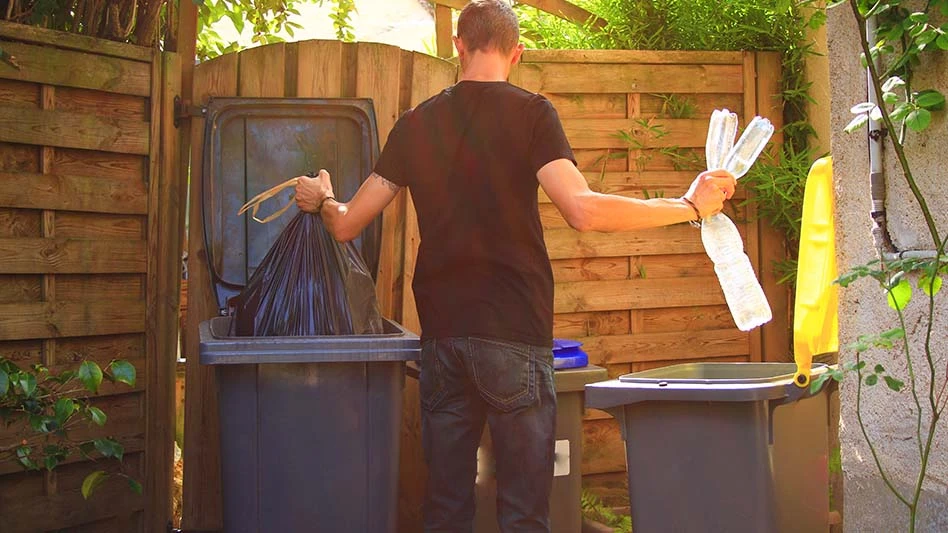
While the prior document simply urged adequate, separate containers for recycling at such properties, the new clarification states in part that multifamily properties must include an equal or greater ratio of recycling containers to trash containers and meet at least one additional requirement.
Property owners and managers can choose to either reach a minimum total volume of recycling space provided of 20 gallons per week per dwelling unit, create a ratio of trash container volume to recycling container volume of at most 2-1 or provide an alternative method that does not result in recyclable container overflow between collection times.
The Wisconsin DNR also has added modifications or clarifications to nonresidential municipal recycling obligations.
Changes geared to that sector also include expanding on the phrase “adequate, separate containers” by requiring waste jurisdictions to provide a total volume of recycling container space to be sufficient to avoid overflow during the time period between collection of materials and delivery to a recycling facility.
In both the multifamily and nonresidential sectors, the DNR also has imposed notification requirements so recyclables materials generators can be made more aware of recycling opportunities.
This year’s DNR changes also affect obligations for haulers and material recovery facility (MRF) operators.
Haulers fulfilling government contracts now are expected to provide residential recycling tonnage data to cities and waste jurisdictions by Feb. 1 each year. Those figures must include the name of the MRFs used to process the materials, the DNR says, and haulers also are expected to notify cities and waste jurisdictions when a new MRF is used.
MRF operators in Wisconsin, meanwhile, now are expected to provide their civic customers with information on accepted materials and to review educational materials within 60 days of any request received from a municipal customer.
The changes took effect July 1 and were reported on earlier this month by Waste Dive.
Latest from Waste Today
- Vermeer announces plan to build new facility in Des Moines metro area
- Buffalo Biodiesel shares updates on Part 360 application to DEC, Tonawanda facility progress
- Capstar Disposal expands roll off dumpster rental services
- Supreme Court strikes down IEEPA tariffs
- Casella details facility closures, expansion efforts
- Zero harm: Building a SIF prevention program for waste and recycling operations
- Casella posts a loss in Q4 2025
- McNeilus names Haaker Equipment first Dealer Partner of the Year