f11photo | atock.adobe.com
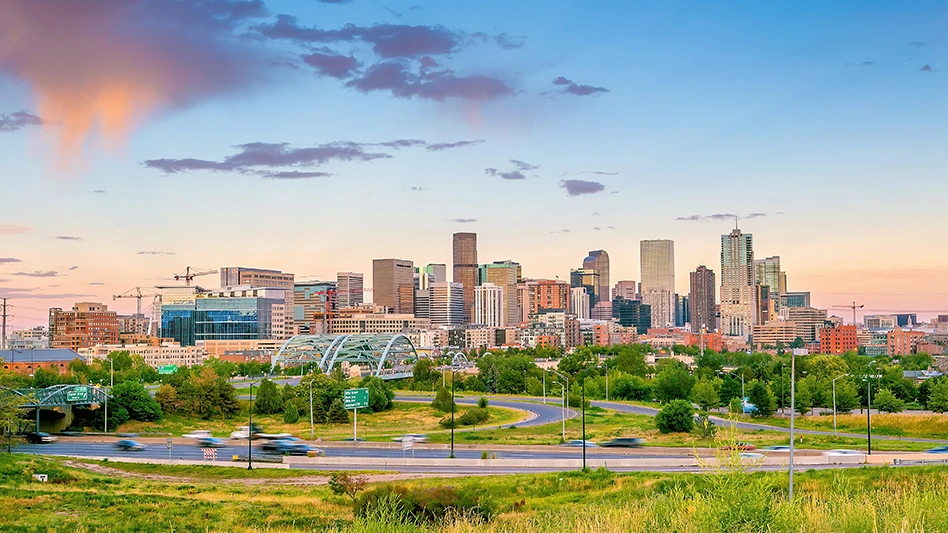
The Denver Department of Public Health & Environment has partnered with Houston-based WM to develop a renewable natural gas (RNG) facility at the Denver Arapahoe Disposal Site (DADS) Landfill.
While other RNG facilities in the state process wastewater or agricultural waste, the Denver Department of Public Health & Environment says this facility will be the first landfill gas-to-RNG plant in Colorado, joining a growing network of more than 536 RNG plants across North America.
“Denver is confronting the climate crisis head-on,” Denver Mayor Mike Johnston says. “This is a bold example of how we can move aggressively toward clean, renewable energy, while also supporting innovation and economic growth for a cleaner, more vibrant Denver.”
Denver City Council voted Dec. 1 to approve an agreement for WM to finance, build and operate the facility. In exchange, the city will receive a royalty payment on revenue generated.
Approximately one third of the gas produced at DADS is captured and converted to electricity, while the remaining landfill gas is flared, or burned off. The new RNG facility will instead capture and refine most of the landfill gas at the Denver municipal landfill, removing carbon dioxide and other impurities to produce pipeline-quality gas.
“WM is proud to help expand renewable energy in the Denver area and Colorado as part of our long-term sustainability strategy,” says David Brannon, area vice president at WM Four Corners. “This project can help provide a local, sustainable energy source for our local communities. We are grateful to state and local officials for their collaboration and commitment in making this project a success.”
The department says this project is a key component of Denver’s broader climate strategy and a model for regional collaboration. By transforming waste into renewable energy, the RNG facility will help Denver and its neighboring communities reduce greenhouse gas emissions.
Construction is expected to begin in late 2026, with the facility projected to be operational in 2027.
Latest from Waste Today
- My Green Michigan expands depackaging capacity
- Washington selects Circular Action Alliance as PRO
- Ten-8 Industrial opens new central Florida service center
- Triumvirate Environmental acquires Environmental Waste Minimization
- Official NYC Bin availability expands ahead of deadline
- US Food Waste Pact’s 2025 Impact Report shows decrease in food waste
- Coastal Waste & Recycling expands recycling operations with Machinex
- Reconomy acquires German-based GfAW