Влад Варшавский
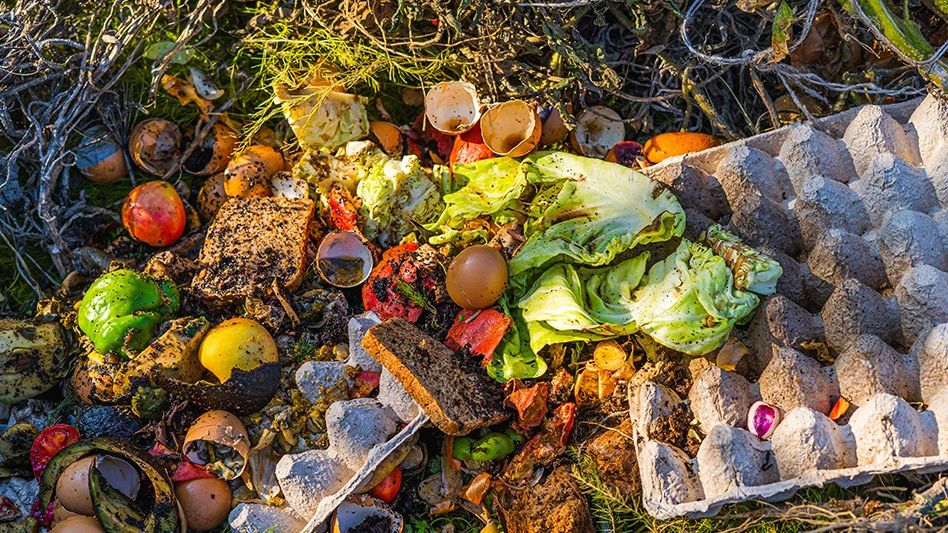
The Wisconsin Department of Natural Resources (DNR) has released a Wisconsin Food Waste Evaluation report that provides details about the state's existing food waste generation and management.
The report includes recommendations for individuals, businesses and government agencies to reduce food waste going to landfills as part of a statewide goal to reduce per-capita food waste disposal in landfills by 50 percent by 2030, compared to 2020 levels.
According to the study, 88 percent of food waste going to Wisconsin landfills is from residential and food service sources, with residential contributing the largest share at 47 percent.
Infrastructure for hauling food waste to destinations other than landfills, such as composting and anaerobic digestion facilities, will have to expand significantly to achieve the statewide food waste reduction goal, DNR says. Of the 286 facilities licensed for composting in Wisconsin, 30 are approved to accept food waste. Of the 122 anaerobic digestion facilities currently operating in Wisconsin, 37 currently accept food waste.
DNR says education, technical support and funding will be needed to expand food donation, food rescue and food waste processing infrastructure, while regulatory and policy reform may also be necessary.
“We’re excited to share this report and begin working with stakeholders on the next steps,” says Kate Strom Hiorns, director of DNR’s Waste and Materials Management Program. “Through the sustainable management of food, we can conserve resources, help businesses and consumers save money, reduce greenhouse gas emissions and provide access to food for those who do not have enough to eat.”
This study was funded through a U.S. Environmental Protection Agency (EPA) grant that DNR received in 2023 to evaluate Wisconsin’s food waste landscape, develop a statewide food waste reduction plan and provide technical assistance to businesses. DNR says these activities, under this Solid Waste Infrastructure for Recycling (SWIFR) grant, support Wisconsin’s commitment to waste reduction and responsible use of resources.
DNR contracted with HDR Inc. to perform the study, which gathered data from surveys and listening sessions with stakeholders, including food rescue organizations, local governments, food waste processors and waste haulers. The study also includes a review of data from DNR, the EPA Excess Food Opportunities Map, the ReFED Insights Engine and other state-specific information.
The impetus for this grant-funded work was DNR’s 2020-2021 Statewide Waste Characterization Study, which found that wasted food and food scraps accounted for 20 percent of the waste sent to Wisconsin landfills—the largest single category. This amounted to an estimated 854,000 tons annually in Wisconsin during the study period, or 294 pounds per person.
DNR will host a webinar from 12 p.m to 1 p.m. Feb. 3 to present an overview of the food waste study.
Latest from Waste Today
- New York DEC to host virtual meeting series on PFAS
- NWRA appoints senior VP of administration and events
- Demo Leaders launches zero-waste program
- Ecowaste acquires Baker Trash Services and Gardner Disposal
- Computer Recycling – Maryland launches Washington e-scrap pickup service
- BioTown Biogas appoints CEO
- Enviri named a Global 100 Most Sustainable Corporation
- Mozart Devco announces energy offtake agreement